Getting Lost: A Unique Script Font for Creative Workflows
Getting Lost is more than just a font—it's a versatile tool that can enhance the visual appeal and readability of any design project. This script font stands out for its clean, elegant characters that maintain clarity at various sizes, making it suitable for both digital and print media. Whether you're working on branding, web design, or personal projects, Getting Lost offers a luxurious feel that elevates your work without sacrificing usability.
Understanding how to integrate Getting Lost into your workflow can significantly improve the quality and consistency of your designs. From initial planning to final execution, this font can play a role in different stages of a project, helping you achieve a polished and professional look.
What Is Getting Lost and Why It Matters
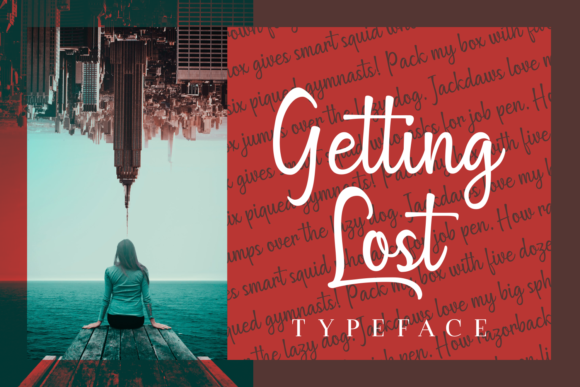
Getting Lost is a unique script font designed with both aesthetics and functionality in mind. Its characters are crafted to be visually striking while remaining highly readable, even at smaller sizes. This balance makes it ideal for use in a wide range of applications, from headlines and logos to body text and signage.
The font’s elegance and simplicity make it a go-to choice for designers who want to add a touch of sophistication without overwhelming their audience. Its clean lines and flowing curves provide a sense of movement and grace, which can help convey a brand's personality or a project's tone effectively.
For professionals in fields such as marketing, graphic design, and content creation, Getting Lost offers a way to stand out in a crowded visual landscape. It can be used to draw attention to key messages, create a cohesive visual identity, or add a personal touch to creative work.
Using Getting Lost in Different Stages of a Project
The versatility of Getting Lost means it can be applied at various points in a project lifecycle. Whether you're starting a new design, refining an existing one, or finalizing a layout, this font can support your goals.
Before a Project: When planning a design, choosing the right font is crucial. Getting Lost can be part of your initial research and selection process, helping you visualize how different typographic elements will contribute to the overall aesthetic. By experimenting with it early, you can ensure it aligns with your creative vision and technical requirements.
During a Project: As you develop your design, Getting Lost can serve as a central element that ties together different components. Its readability ensures that it works well alongside other fonts and design elements, maintaining a harmonious composition. Whether you're designing a website, a brochure, or a social media post, this font can help create a consistent and professional look.
After a Project: Once your design is complete, Getting Lost can still play a role in quality control and refinement. Reviewing your work with this font in mind can help identify areas where adjustments may be needed, ensuring that the final product meets your standards and the needs of your audience.
Integrating Getting Lost into Your Workflow
Successfully incorporating Getting Lost into your workflow requires thoughtful planning and execution. Here are some practical tips to help you make the most of this font:
- Start with a clear purpose: Determine why you're using Getting Lost. Is it for a specific project, a brand identity, or a personal creative endeavor? Understanding your goals will help you use the font more effectively.
- Test it across different mediums: Before committing to a design, test Getting Lost on various platforms and devices. Ensure it looks good on screens, prints, and in different lighting conditions.
- Combine it with complementary fonts: Pairing Getting Lost with other fonts can enhance its impact. Choose typefaces that complement its style while maintaining readability and visual balance.
- Consider accessibility: While Getting Lost is highly readable, it's important to ensure that it works well for all users, including those with visual impairments. Use appropriate sizing, spacing, and contrast to maximize accessibility.
By following these steps, you can seamlessly integrate Getting Lost into your design process, ensuring that it enhances rather than complicates your work.
Getting Lost in Real-World Applications
Getting Lost isn't just a theoretical concept—it has real-world applications that can benefit a variety of workflows. Here are a few examples of how it can be used effectively:
- Branding and Identity: For businesses looking to establish a strong visual identity, Getting Lost can be used in logos, business cards, and packaging. Its elegant style helps convey professionalism and creativity, making it ideal for brands in industries such as fashion, art, and technology.
- Web Design: On websites, Getting Lost can be used for headings, call-to-action buttons, and other prominent elements. Its readability ensures that it doesn't compromise the user experience, while its aesthetic appeal adds a unique touch to the design.
- Print Materials: From brochures to posters, Getting Lost can elevate the look of printed materials. Its versatility allows it to work well in both large and small formats, making it a valuable asset for designers and marketers.
- Personal Projects: For hobbyists and creatives, Getting Lost can be used to add a personal flair to journals, handmade cards, and other DIY projects. Its stylish appearance can make these items stand out and feel more special.
These applications demonstrate how Getting Lost can be adapted to different contexts, offering value across a wide range of industries and use cases.
Collaboration and Team Integration
When working with others, it's important to ensure that Getting Lost is used consistently and effectively. Here are some considerations for team collaboration:
- Share font files and guidelines: Provide team members with access to the font files and any specific guidelines for its use. This ensures that everyone is on the same page and that the font is applied uniformly across all projects.
- Establish a style guide: A style guide can help define how Getting Lost should be used in different contexts. Include examples of proper usage, recommended pairings, and any limitations to avoid misuse.
- Encourage feedback: Involve team members in the decision-making process. Their input can help identify potential issues and ensure that the font is used in a way that aligns with the project's goals.
By fostering a collaborative approach, you can maximize the benefits of Getting Lost while minimizing the risk of inconsistencies or errors.
Long-Term Use and Maintenance
As you continue to use Getting Lost in your work, it's important to consider its long-term effectiveness and maintenance. Here are some factors to keep in mind:
- Stay updated: Keep track of any updates or improvements to the font. New versions may include enhanced features or bug fixes that can improve your experience.
- Maintain consistency: Ensure that the font is used consistently across all projects and platforms. Inconsistent application can lead to confusion and reduce the overall impact of your designs.
- Evaluate performance: Regularly assess how well Getting Lost is working for your needs. If it's not meeting expectations, consider alternative options or adjustments to your workflow.
By taking these steps, you can ensure that Getting Lost remains a valuable tool in your design arsenal for years to come.