Lettering Script: A Handwritten Touch for Modern Design
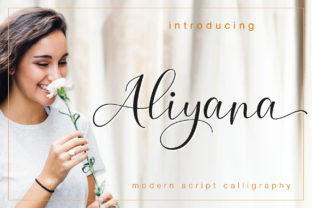
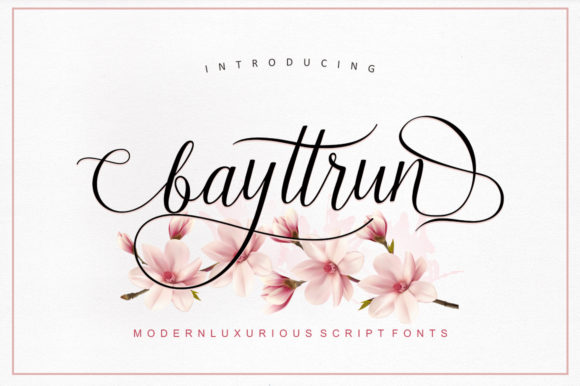
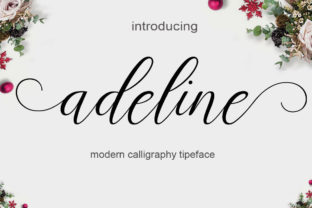
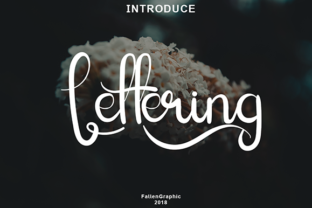
The Lettering Script is a beautiful script font that brings a handwritten feel to digital design. Its fluid, elegant strokes make it ideal for projects that require a personal and artistic touch. Whether you're working on branding, social media content, or print materials, this font can elevate your work with its unique character.
As a versatile tool in the creative process, the Lettering Script fits naturally into various stages of design and production. It can be used during concept development, as a finishing element, or even as a central component of a project's visual identity. Understanding how to integrate this font into your workflow can enhance both efficiency and creativity.
Understanding the Role of Lettering Script in Design
Lettering Script is more than just a font—it's a style that adds personality and authenticity to any design. Unlike standard fonts, which are often rigid and uniform, this script mimics the natural flow of handwriting. This makes it particularly effective for projects that aim to convey warmth, individuality, or a sense of craftsmanship.
When considering where to use Lettering Script, think about the message you want to communicate. For instance, if you're designing a logo for a boutique or a handmade product line, this font can reinforce the brand's values. In contrast, for a corporate report or technical document, it might not be the best choice due to its informal nature.
It's important to assess the context in which the font will be used. Factors such as readability, legibility, and overall aesthetic harmony should guide your decision. The goal is to ensure that the font complements the design rather than distracts from it.
Using Lettering Script in Different Workflow Stages
The integration of Lettering Script can vary depending on the stage of your project. During the early planning phase, it can serve as a source of inspiration. Sketching ideas with this font can help visualize how text elements will look in the final design. This is especially useful for designers who rely on typography to shape their concepts.
During the execution phase, the font can be applied to headings, titles, or callout text. Its elegance makes it perfect for highlighting key information without overwhelming the viewer. For example, in a marketing campaign, using Lettering Script for headlines can draw attention while maintaining a cohesive visual theme.
In post-production, the font can be used to refine and polish the final output. Adding a handwritten touch to a design can give it an extra layer of authenticity, making it stand out in a competitive market. This is particularly valuable in industries like fashion, art, and lifestyle branding, where personalization is key.
How Lettering Script Interacts with Other Tools and Methods
Lettering Script works well alongside other design tools and platforms. When used in graphic design software like Adobe Illustrator or Photoshop, it can be easily adjusted for size, spacing, and alignment. These programs offer features that allow for fine-tuning, ensuring the font integrates seamlessly into the overall composition.
Collaboration is another area where Lettering Script can be beneficial. When working with a team, sharing fonts and design assets ensures consistency across all materials. This is especially important in large-scale projects where multiple designers may be involved. Using a shared library of fonts, including Lettering Script, can streamline the process and reduce errors.
For those working with content management systems (CMS) or website builders, the font can be imported or embedded to maintain visual continuity. This is essential for maintaining brand identity across different platforms and devices. Proper implementation ensures that the font displays correctly, regardless of the user's browser or device settings.
Practical Implementation Tips for Lettering Script
To get the most out of Lettering Script, start by experimenting with different sizes and weights. The font's legibility can vary depending on how it's scaled, so testing it in various contexts is crucial. For example, using it in large headings may work well, but applying it to body text could reduce readability.
Another tip is to pair it with complementary fonts. Combining Lettering Script with a clean, sans-serif font can create a balanced look that enhances both aesthetics and functionality. This approach is commonly used in magazine layouts, web designs, and presentation slides.
Consistency is also key when using this font. If you're using it across multiple projects, maintaining a consistent style helps reinforce brand recognition. This includes using the same font size, spacing, and color scheme throughout all materials.
Factors to Consider for Long-Term Use
Before committing to using Lettering Script in your workflow, consider factors such as compatibility and accessibility. Not all platforms or devices may support custom fonts, so it's important to verify that the font will display correctly in all intended environments. This is especially relevant for web-based projects where cross-browser and cross-device compatibility is essential.
Usability is another consideration. While the font adds a unique aesthetic, it should not compromise the user experience. Ensure that it doesn't interfere with the readability of your content, especially in cases where users may be viewing the material on smaller screens or in low-light conditions.
Finally, evaluate the long-term value of the font. If you're using it for a one-time project, it may not be necessary to invest in a premium version. However, for ongoing use, purchasing a license or subscription may provide better access and support. This ensures that you can continue using the font without encountering legal or technical issues.
Conclusion: Integrating Lettering Script into Your Creative Process
Lettering Script offers a unique way to add a handwritten touch to your designs. By understanding its role in different workflow stages and considering practical implementation tips, you can effectively incorporate it into your creative process. Whether you're working on a personal project or a professional assignment, this font can enhance the visual appeal and emotional impact of your work.
Ultimately, the success of using Lettering Script depends on how well it aligns with your goals and audience. With careful planning, thoughtful application, and consistent use, it can become a valuable asset in your design toolkit. Embrace its versatility and let it bring a fresh, authentic energy to your next project.