Boston: A Handmade Script Font That Brings Personality to Your Designs
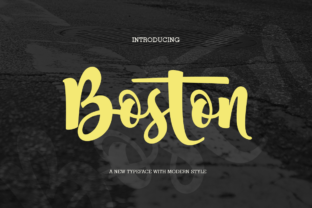
If you're looking for a font that adds a personal touch to your projects, Boston is a standout choice. This handmade script font has a natural, flowing style that feels like it was written by hand. Its dancing letters and organic shape make it perfect for designs that need to stand out without being too flashy.
Whether you're working on a logo, a social media post, or a wedding invitation, Boston can add a unique flair that other fonts just can't match. It's ideal for anyone who wants to inject some character into their work while keeping things professional and readable.
When and Why to Use Boston
There are countless situations where Boston can shine. For example, if you're designing a brand identity for a boutique or a small business, Boston can help convey a sense of authenticity and craftsmanship. It works well for logos that aim to feel more personal and less corporate.
On the digital side, Boston is great for headlines on websites or social media posts. It adds visual interest without overwhelming the reader. Imagine using it for a blog title about life hacks or a promotional banner for a local event. The font’s fluidity makes it easy on the eyes while still catching attention.
For creative professionals, Boston can be a go-to for anything from packaging design to greeting cards. Its handwritten look gives a warm, inviting feel that’s hard to replicate with more rigid typefaces. It’s also useful for creating custom typography in illustrations or book covers.
Real-World Use Cases for Boston
Let’s say you’re a small business owner running an online store. You want your product pages to feel approachable and friendly. Using Boston for your headings or callout text can help create that connection with your audience. It’s not too bold, but it still commands attention.
For educators or content creators, Boston can be a powerful tool in presentations or lesson plans. It adds a personal touch to slides or handouts, making the material feel more engaging. If you're teaching a class on art or design, using Boston in your materials can spark discussions about typography and style.
Freelancers and marketers often use Boston for client proposals or email campaigns. It helps make the message feel more genuine and less automated. Imagine sending a proposal with a headline in Boston—it stands out and shows you care about the details.
Who Benefits From Using Boston?
Entrepreneurs and startups will find Boston useful when building their brand identity. It helps them communicate a story that feels authentic, which is crucial when trying to connect with customers. Whether it's a new café or a tech startup, Boston can help set the tone.
Bloggers and content creators can use Boston to make their posts more visually appealing. It’s especially effective for titles or subheadings that need to grab attention. A well-chosen font can make a big difference in how readers perceive the content.
Designers and illustrators might use Boston as part of a larger typographic system. It can complement other fonts or serve as a standalone element in a layout. Its versatility makes it a valuable addition to any designer’s toolkit.
Things to Consider Before Using Boston
Before jumping into using Boston, it's important to think about the context. While it's beautiful, it may not be the best choice for long blocks of text. It’s most effective when used sparingly, such as in headlines, logos, or short phrases.
Also, consider the audience. If you're designing for a formal setting, Boston might not be the right fit. However, for casual or creative environments, it can add just the right amount of personality. Always test the font in different sizes and backgrounds to ensure readability.
Another thing to keep in mind is licensing. Make sure you have the proper rights to use Boston in your projects, especially if you're using it commercially. Some fonts come with restrictions, so it's always good to check the terms before downloading or purchasing.
How Boston Can Elevate Your Projects
Using Boston isn’t just about aesthetics—it's about creating a stronger emotional connection with your audience. When people see a design that feels human and authentic, they’re more likely to engage with it. This is especially true in marketing and branding, where first impressions matter.
For instance, a local bakery might use Boston in its logo to give the impression of homemade quality. A wedding planner could use it in invitations to evoke a sense of elegance and charm. In both cases, the font helps tell a story that aligns with the brand’s values.
Boston also works well in combination with other fonts. Pairing it with a clean sans-serif can create a balanced look that’s both modern and personal. Experimenting with different combinations can lead to fresh, unique designs that stand out from the crowd.
Final Thoughts on Boston
Boston is more than just a font—it's a tool that can bring creativity and personality to your work. Its handmade style makes it feel more connected to the real world, which is exactly what many designers and creators are looking for. Whether you're working on a personal project or a commercial one, Boston can add that special something that makes your design memorable.
As with any design element, the key is to use Boston thoughtfully. Know your audience, understand the context, and let the font enhance—not overshadow—your message. With the right approach, Boston can become a valuable asset in your design arsenal.